
Power, heat, cooling – from heat that was wasted.
Our concept puts waste heat to work in three ways: back into the production process as hot water, in an ORC (Organic Rankine Cycle) system that generates electricity, and in absorption chillers that provide cooling. The first part, hot water for the plant's processes, is in operation in Delhi.
The process, with Retainergy 1.0.
Waste is loaded and incinerated, and the exhaust leaves at around 600 °C. A heat exchanger in the exhaust now supplies hot water to the plant. An ORC system and an absorption chiller are the next steps, using the available area next to the line.
Without heat recovery, the exhaust leaves the incinerator at about 600 °C. Its heat is only partly recovered as steam – the rest is cooled by a gas‑fired unit and released into the air.Retainergy 1.0 is in operation: a heat exchanger in the exhaust supplies hot water at about 90 °C to the plant's processes, including the autoclave, replacing a gas-based solution. Next steps, in dashed boxes: electricity from an ORC unit and cooling from an absorption chiller.
Three components, one route.
Each step takes energy that would otherwise be cooled off and released, and puts it to productive use.
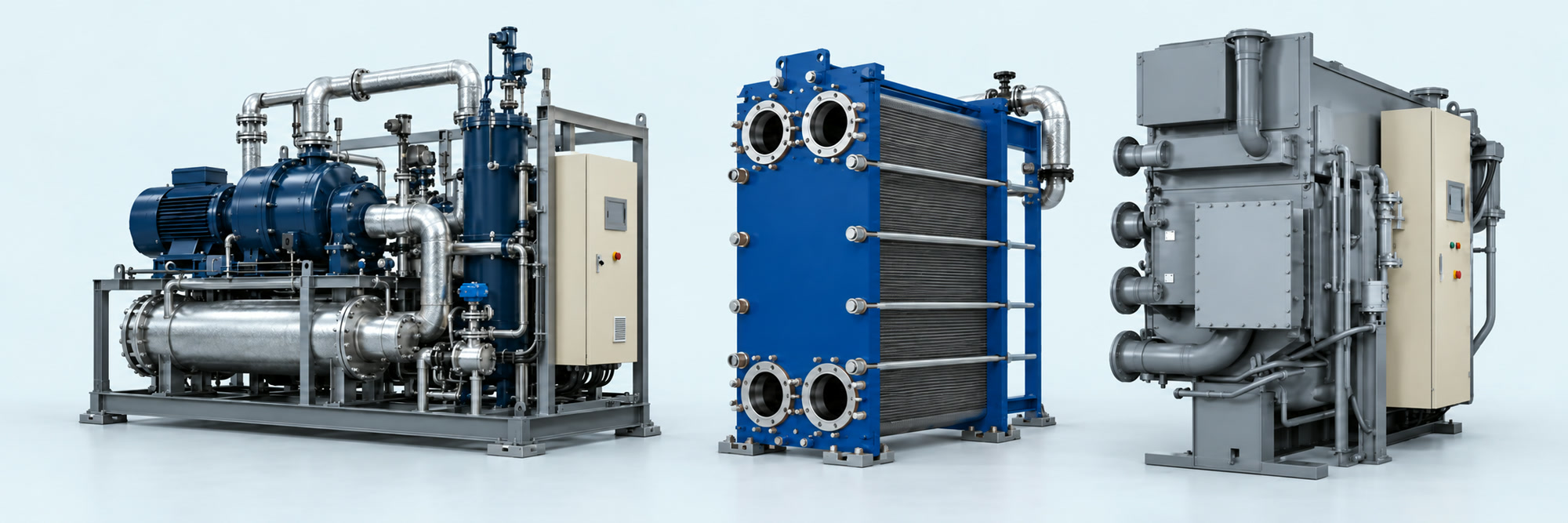
ORC system
Generates electricity from the recovered flue-gas heat – for the plant's own use or sold to external users.
Next stepHot-water heat exchanger
Returns useful heat to the production process as hot water at about 90 °C, including for the autoclave.
In operationAbsorption chiller
Turns heat into cooling for the plant itself and adjacent buildings.
Next stepA starting point for industrial symbiosis.
The cooling is intended to be used by the waste incineration plant itself and by buildings in the adjacent industrial area – a starting point for industrial symbiosis.
In addition, the project will explore another approach: using cooling derived from waste heat directly for certain sterilisation processes.
Together, this is designed to improve resource efficiency by putting otherwise lost energy to productive use.
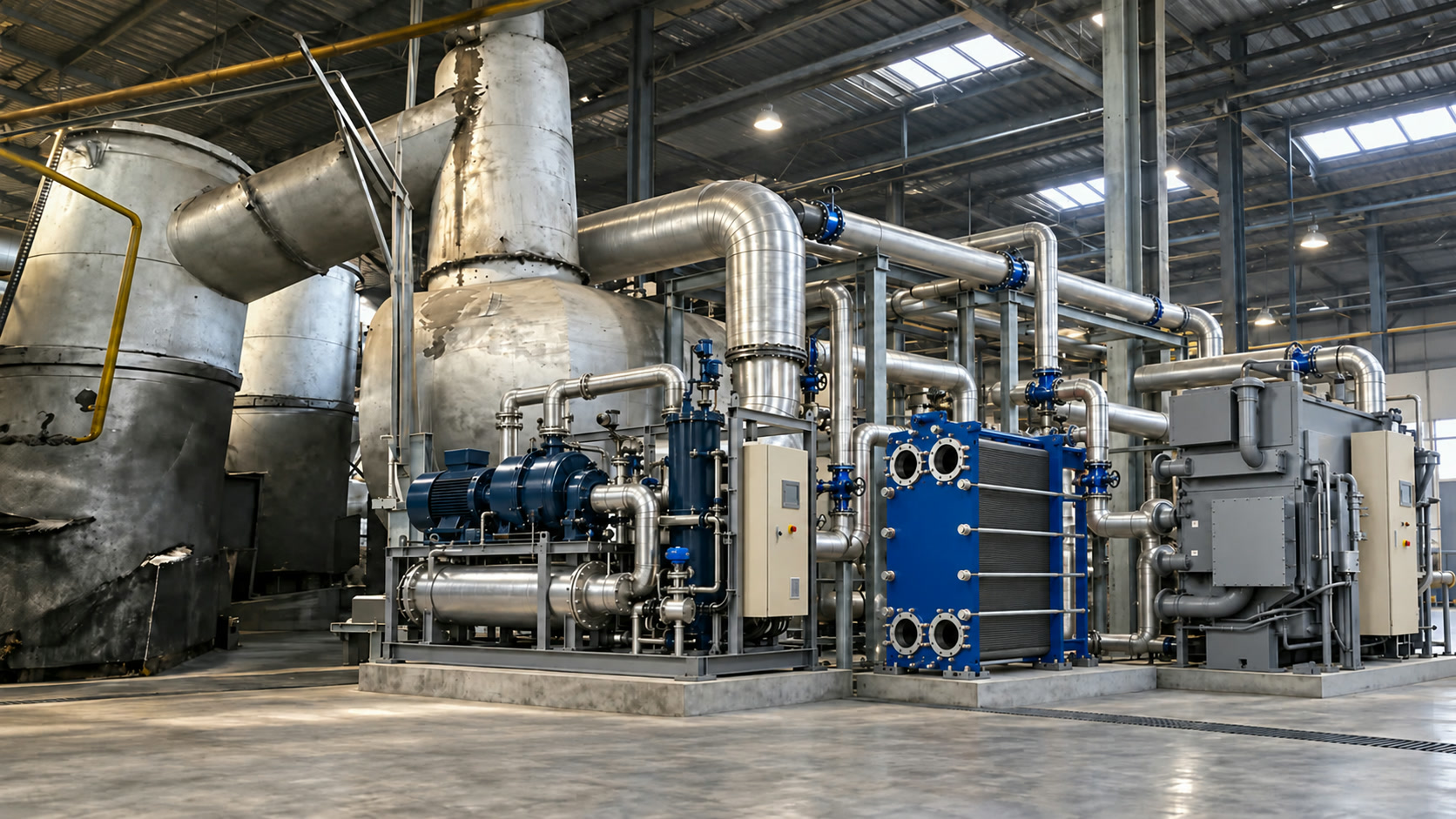
Help take the pilot further.
We welcome industry partners at an early stage, to make heat recovery from incineration affordable, standardised and easy to retrofit.
Peter Anderberg, Overall Project Leader · Heatnet Global